


A significant change has arrived for people travelling by ferry between Britain and Ireland, with stricter passport requirements now applying on a number of routes.
From Monday, September 28, 2026, passengers travelling on certain ferry services between Great Britain and the Republic of Ireland must present a valid passport before boarding. The requirement covers passengers travelling with Irish Ferries and Stena Line on specified routes and applies even to British and Irish citizens.
The change is important because British and Irish citizens continue to benefit from the Common Travel Area (CTA), under which they do not generally need a passport to travel between the UK and Ireland. The new requirement is instead being introduced by ferry operators as part of arrangements for providing accurate passenger information to UK authorities before departure.
For anyone with a ferry trip booked, the practical message is simple: check the operator and route carefully, and make sure the correct passport is ready before heading to the port.
The New Requirement Is Now in Force
While earlier reports described the measure as a rule coming into effect “next week”, the change officially began on September 28, 2026.
Irish Ferries says that from this date, all passengers travelling between the Republic of Ireland and Britain on its services must present either a valid passport or an Irish passport card before boarding. Other forms of identification are no longer accepted on the affected services, including for British and Irish passengers.
Stena Line has introduced a similar requirement. Its guidance states that from September 28, passengers travelling through Dublin, Holyhead, Fishguard or Rosslare ports on its relevant Britain-Ireland services must present a valid passport at check-in.
That makes checking your operator especially important before travelling, because the rules are linked to particular ferry services rather than representing a blanket change to every journey within the Common Travel Area.
Which Ferry Routes Are Affected?
Irish Ferries has confirmed that its new passport requirement applies to its Dublin–Holyhead and Rosslare–Pembroke routes, in both directions. Every passenger must have the appropriate travel document ready before boarding.
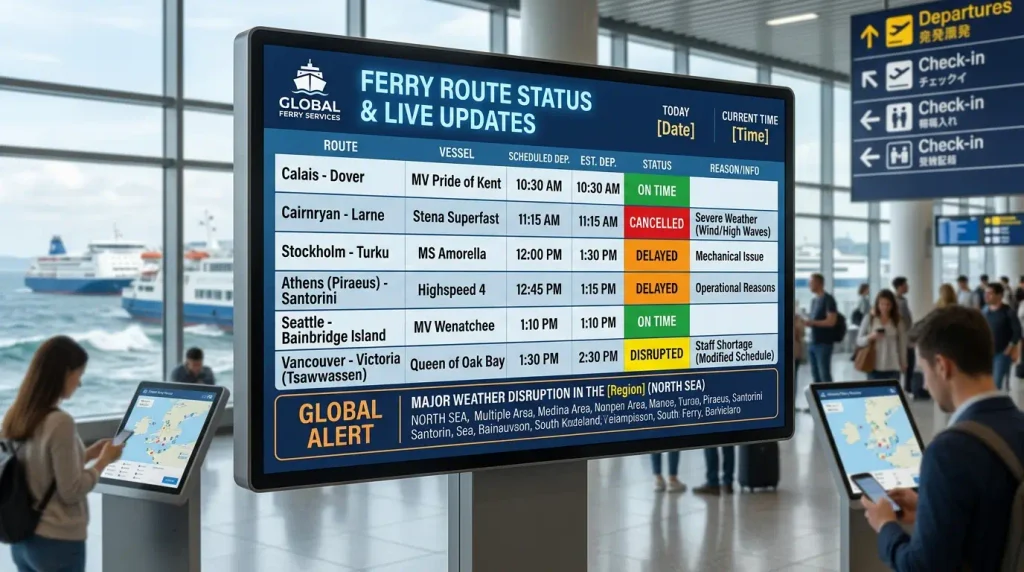
Stena Line’s change covers its services associated with Holyhead, Dublin, Fishguard and Rosslare. The company has placed a prominent travel notice on its customer service pages warning passengers about the new passport requirement.
For travellers, this means that a journey that has previously been possible with a driving licence or another photographic document may now require a passport, depending on the ferry company and route.
That distinction matters because the documentation rules for ferry travel can differ from the general legal requirements governing entry between Britain and Ireland.
Why Are Passports Required?
The change is connected to passenger information requirements.
Irish Ferries says the passport rule is being introduced to comply with UK Border Force requirements relating to the accuracy and integrity of passenger data before boarding.
Stena Line similarly explains that passengers need to provide accurate personal information before travelling. Its guidance says passenger details supplied at booking must match the photographic identification presented at check-in, including details such as the passenger’s name, date of birth, gender and nationality.
The change therefore affects not only what document you carry, but also the information attached to your booking.
British Citizens Also Need to Take Note
One of the most notable aspects of the rule is that it also affects British citizens on the relevant ferry services.
Under the Common Travel Area, British citizens do not normally need to show a passport to travel from Ireland to Great Britain, and British and Irish citizens retain their wider CTA rights. GOV.UK continues to state that British nationals are not legally required to show a passport to enter Ireland.
However, a carrier can impose document requirements for boarding.
Irish Ferries has confirmed that its passport-only rule applies to all passengers, including Irish and UK citizens, and that other forms of photographic identification will no longer be accepted on the specified routes.
Stena Line has also announced that all passengers on the affected services must present a valid passport from September 28.
This means passengers should not rely solely on the fact that the Common Travel Area allows travel without a passport in principle. The rules of the ferry operator still need to be followed to board.
Driving Licences Are No Longer Enough on Affected Irish Ferries Routes
Before the change, ferry passengers could often use alternative photographic documents depending on the operator and nationality.
Stena Line’s general Britain-Ireland guidance, for example, previously listed documents such as photographic driving licences, government-issued photo ID and other forms of identification for certain travellers.
The new requirement changes that on the affected routes.
Irish Ferries specifically says that from September 28, driving licences, national identity cards and other forms of photographic identification will no longer be accepted for travel on its Dublin–Holyhead and Rosslare–Pembroke services.
Checking the latest operator guidance before departure is therefore essential.
What About Irish Citizens?
Irish citizens travelling on the affected Irish Ferries routes can use either a valid passport or Irish passport card. Irish Ferries says both are accepted for its new requirement.
Stena Line also lists a current or recently expired Irish passport or an Irish passport card among the documents previously accepted for Irish citizens, but its new September 28 notice states that affected passengers must present a valid passport at check-in.
Irish citizens should therefore check the specific policy of the ferry company they are using, especially where an Irish passport card is involved.
The wider Common Travel Area remains in place. The ferry documentation requirement does not mean that the underlying CTA arrangement has been abolished. It is a carrier-level boarding requirement connected to passenger information procedures.
Children and Infants Are Included
Families should pay particular attention to the new rule.
Irish Ferries says the passport requirement applies to all passengers, regardless of age. That means children and infants travelling on the affected services also need the required travel document.

This is an important change for families who may previously have relied on other identification or documentation for younger travellers.
Parents and guardians should check every passenger on the booking before setting off, rather than assuming that children are exempt.
Stena Line also emphasises that passenger information requirements apply to everyone travelling, including infants.
What If Your Passport Has Expired?
The exact answer can depend on the operator and traveller’s nationality.
Irish Ferries says passengers must present a valid passport, or an Irish passport card where applicable.
Stena Line’s broader Britain-Ireland guidance has previously listed a current or recently expired passport among acceptable identification for British and Irish citizens, but its September 28 notice states that affected passengers are required to present a valid passport at check-in.
Because the latest requirement is stricter, travellers should not assume that an expired passport will be accepted simply because an older operator policy allowed it.
What Non-British and Non-Irish Travellers Need to Know
The passport change is particularly important for non-British and non-Irish travellers because they may already have additional entry requirements.
Stena Line says EU citizens travelling to the UK need a passport that is valid for their entire stay and may also need an Electronic Travel Authorisation (ETA) for a short visit where no visa is required.
Non-EU nationals may require a visa or other permission depending on their nationality, destination and immigration status.
Irish Ferries likewise advises non-EU nationals to check visa requirements before travelling, as processing can take several weeks.
Does an ETA Apply?
An ETA is a separate issue from the new ferry passport requirement.
Stena Line says some travellers visiting the UK for a short stay without a visa may need to obtain an ETA before travelling. British and Irish citizens do not need an ETA to enter the UK under the relevant arrangements, and people with UK immigration status are also exempt.
EU citizens resident in Ireland may also have different arrangements, depending on their documentation and status.
This means travellers should think of the requirements as two separate checks: first, whether the ferry operator requires a passport for boarding; and second, whether their nationality and circumstances require an ETA, visa or another form of immigration permission.
The Common Travel Area Has Not Been Removed
The passport rule may sound like a major change to Britain-Ireland travel generally, but the underlying Common Travel Area remains in place.
GOV.UK states that British and Irish citizens have the right to live, work, study and access healthcare, social security and public services in each other’s countries under CTA arrangements.
The government also says British citizens do not need to show a passport to a Border Force officer when travelling from Ireland to Great Britain, although they may be asked for documentation proving their identity and nationality.
The new ferry measures therefore concern the boarding process and carrier requirements, rather than ending the CTA.
This distinction is useful for travellers who may see headlines suggesting that Britain and Ireland have introduced a completely new border system.
Passengers Should Check Their Booking Details Carefully
Travel documents are only part of the change.
Stena Line says the names, dates of birth, genders and nationalities entered during booking must accurately match the photographic identification presented at check-in. Incorrect information can cause boarding problems and may result in additional costs.
That makes it a good idea to review your booking before travelling, especially if your reservation was made months ago.
Families travelling together should also check that each person’s details are correct.
Arrive at the Port Prepared
Travellers should allow enough time to complete check-in and documentation checks.
Irish Ferries currently states that the latest check-in time for its relevant sailings can be 30 minutes before departure, although passengers should always follow the precise information attached to their booking and sailing.
Stena Line says check-in times vary by port and sailing and are listed on the passenger’s e-ticket and reservation information.
With stricter documentation checks in place, passengers should avoid leaving passport checks until the last possible moment.
Keeping the passport readily accessible rather than buried inside luggage can also make the check-in process easier.
What Should Travellers Do Before Their Next Ferry Trip?
The simplest way to avoid problems is to check the requirements before leaving home.
Start by confirming which ferry company operates your sailing and whether your route is one of those affected by the new passport-only boarding policy.
Travellers should also check whether an ETA or visa is required for their nationality and destination.
Finally, compare all passenger information against the booking confirmation so there are no discrepancies at the port.
More Ferry Routes Could Be Subject to Different Rules
The new measures demonstrate why travellers should not assume that every Britain-Ireland ferry route follows exactly the same documentation procedure.
Euronews reported that Stena Line and Irish Ferries were introducing stricter requirements on particular routes from September 28, while other services had different arrangements at the time of reporting.
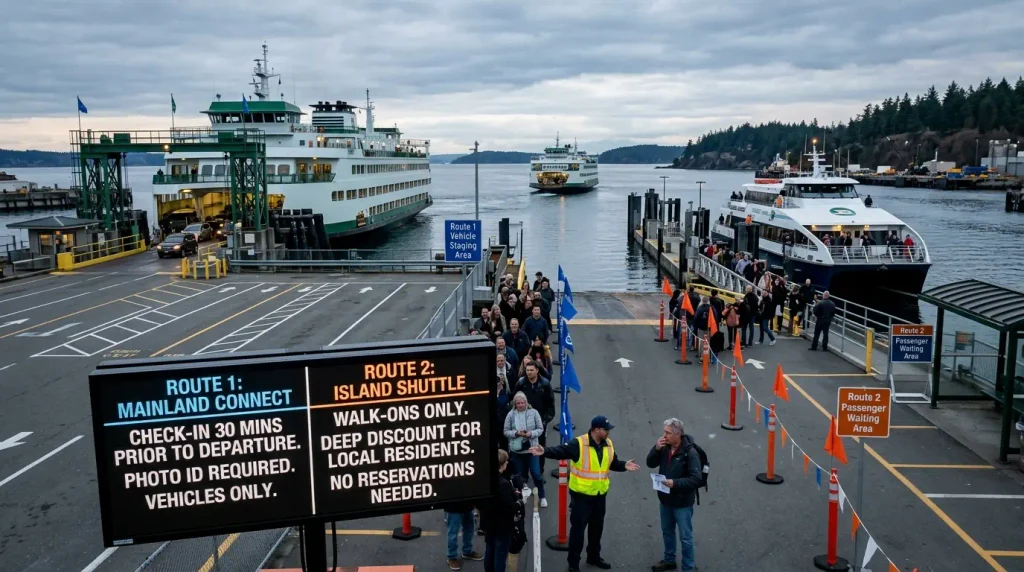
That means a traveller taking a different ferry company or route may encounter different rules.
The UK government also advises passengers to check their carrier’s requirements because some airlines and ferry operators have introduced passport-only identification requirements even though the broader legal arrangements between Britain and Ireland remain different.
Checking directly with the operator is therefore more reliable than relying on what was accepted on a previous journey.
The Change Brings Ferry Travel Closer to Airline Procedures
The development follows similar changes already seen in air travel between Britain and Ireland.
Euronews reported that Aer Lingus joined Ryanair in enforcing passport requirements for passengers travelling between Great Britain and Ireland in February 2026.
The ferry operators’ new requirements create a more consistent approach to collecting passenger information before travel.
That is particularly relevant to people who have travelled frequently under the previous system and may be unfamiliar with the updated process.
A New Checklist for Britain-Ireland Ferry Trips
For passengers travelling after September 28, a quick pre-travel check can help prevent last-minute issues.
Make sure the passport is available and meets the operator’s requirements. Confirm every traveller has the correct documentation, including children and infants. Check your booking details carefully and verify whether your nationality requires an ETA or visa for the destination.
Stena Line and Irish Ferries both publish travel updates and documentation guidance through their customer-service and sailing-information pages.
FAQs
The new passport requirement came into effect on September 28, 2026 for passengers travelling on certain ferry services between Great Britain and Ireland.
Yes. On affected services operated by ferry companies such as Irish Ferries and Stena Line, British passengers must present the required passport at check-in.
No, on the affected Irish Ferries services, driving licences and other forms of photographic identification are no longer accepted for boarding.
Irish Ferries’ new requirement covers its Dublin–Holyhead and Rosslare–Pembroke routes. Stena Line has also introduced updated passport requirements for relevant services through Dublin, Holyhead, Fishguard and Rosslare.
No. The Common Travel Area between the UK and Ireland remains in place. The new measure is a ferry operator boarding requirement connected to passenger information procedures.
Final Thoughts
The new passport requirement marks an important practical change for ferry passengers travelling between Britain and Ireland.
From September 28, 2026, Irish Ferries passengers using the Dublin–Holyhead and Rosslare–Pembroke routes must present a valid passport or, where applicable, an Irish passport card before boarding. Stena Line has introduced a passport requirement for passengers travelling through its relevant Dublin, Holyhead, Fishguard and Rosslare services.