


The UAE is considering a proposal that could give working mothers with children under the age of 10 greater access to remote and flexible working arrangements. The recommendation was discussed by the Federal National Council (FNC) on January 21, 2026, as part of wider efforts to support families and help parents balance work with childcare responsibilities.
The proposal aims to make it easier for mothers to manage their professional duties while caring for young children. It also highlights the needs of women caring for children with special needs, elderly parents and other family members who require additional support.
However, the recommendation is not yet a confirmed nationwide rule. Further official clarification would be needed before it could become a new employment entitlement.
UAE Considers Remote Work for Mothers With Young Children
The proposal focuses on giving mothers with children under 10 greater consideration when employers decide on remote or flexible working arrangements.
For working parents, managing school schedules, childcare and daily responsibilities alongside a full-time job can be challenging. Remote work may help eligible employees reduce commuting time and organise their working day more effectively.
Depending on the nature of the job, flexible arrangements could include working from home, adjusting working hours or combining office attendance with remote work.
The proposed approach recognises that different families have different needs. However, the exact eligibility requirements and approval process would depend on any official measures introduced in the future.
What Did the Federal National Council Recommend?
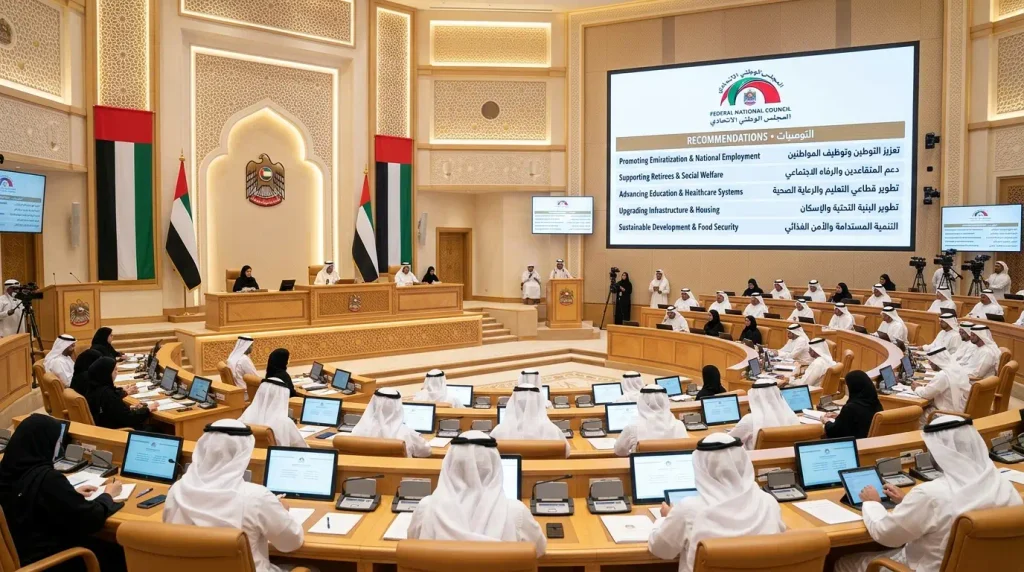
During its January 2026 discussions, the FNC considered several recommendations aimed at strengthening family support in the UAE.
The main recommendations included:
- Prioritising remote and flexible working arrangements for mothers with children under 10.
- Considering additional flexibility for mothers of children with special needs.
- Supporting women who care for elderly parents at home.
- Extending fully paid maternity leave for Emirati women working in the government sector to at least 98 days.
These recommendations form part of broader discussions about family wellbeing and employment. They should not be interpreted as confirmation that all the proposed measures have already become law.
Could the Proposal Apply to Public and Private Sector Workers?
The scope of the proposed remote work arrangements still requires clarification.
Some reports have indicated that the recommendation could cover mothers working in both the public and private sectors. However, the final eligibility criteria and implementation arrangements have not been clearly established.
Government employees would need to follow the applicable rules for their departments, while private sector employees would need to consider their employment arrangements and any relevant official guidance.
Not every position can be performed remotely. Jobs requiring physical attendance, specialised equipment or direct customer service may need alternative forms of flexibility.
Further official details would be necessary to establish how employers should handle requests and which employees would qualify.
UAE Also Proposes Longer Maternity Leave
Alongside the remote work recommendation, the FNC proposed extending fully paid maternity leave for Emirati women working in the government sector to a minimum of 98 days.
The recommendation aims to provide additional support to mothers following childbirth and help families manage the early stages of parenthood.
Maternity leave and remote working arrangements serve different purposes. Maternity leave provides time away from work after childbirth, while remote work allows employees to perform their duties outside the workplace when their roles and approved arrangements permit it.
The proposed 98-day minimum should not be confused with existing maternity leave entitlements, which vary according to the applicable employment rules and sector.
What Are the Current UAE Maternity Leave Rules?
Under the UAE’s federal private sector labour law, eligible employees generally receive 60 days of maternity leave. This consists of 45 days at full pay and 15 days at half pay, subject to the applicable legal conditions.

Federal government employees generally have a separate entitlement of 90 days of paid maternity leave.
The FNC’s recommendation to provide at least 98 fully paid days for Emirati women in the government sector would therefore represent a proposed change to the existing framework.
Employees should check the rules applicable to their employer and sector before making decisions about maternity leave.
How Could Remote Work Help Working Mothers?
Remote working arrangements can give eligible employees greater flexibility when managing professional and family responsibilities.
Working from home may reduce commuting time and make it easier to coordinate school schedules, appointments and other daily commitments. Flexible hours may also help parents organise their working day around family needs.
However, remote work does not remove the responsibilities of a job or replace childcare. Employees still need suitable working conditions and clear expectations about their duties and working hours.
For employers, introducing flexible arrangements may require adjustments to scheduling, communication and performance management. Any future policy would need to balance employees’ family responsibilities with workplace requirements.
What Should Working Mothers in the UAE Know?
For now, working mothers should understand the difference between the FNC’s recommendations and existing workplace policies.
Employees interested in remote work can contact their human resources department to ask about current flexible working options. Government employees should also check the rules applicable to their department.
Those planning maternity leave should confirm their existing entitlements rather than assuming that the proposed 98-day minimum is already in effect.
Further announcements would be needed to clarify eligibility, sector coverage, implementation dates and whether employers would be required to approve qualifying requests.
FAQs
The FNC recommended prioritising remote and flexible working arrangements for mothers with children under 10.
The recommendation was discussed during an FNC session on January 21, 2026.
No confirmed nationwide requirement has been established by the proposal alone. Further official clarification and implementation measures would be needed.
Yes. The FNC recommended at least 98 fully paid days for Emirati women working in the government sector, but this should not be treated as an implemented change without official confirmation.
Employees should contact their human resources department and consult the employment rules applicable to their sector.
Final Thoughts
The UAE’s proposal to prioritise remote work for mothers with children under 10 highlights the importance of supporting working families. If implemented, the recommendations could give eligible mothers greater flexibility in balancing employment with childcare responsibilities.
The accompanying proposal to extend fully paid maternity leave for Emirati women in the government sector to at least 98 days is another part of the wider discussion about family support.
However, these remain recommendations rather than confirmed nationwide changes. Working mothers should follow official announcements for updates and check their existing employment policies to understand which arrangements are currently available.