
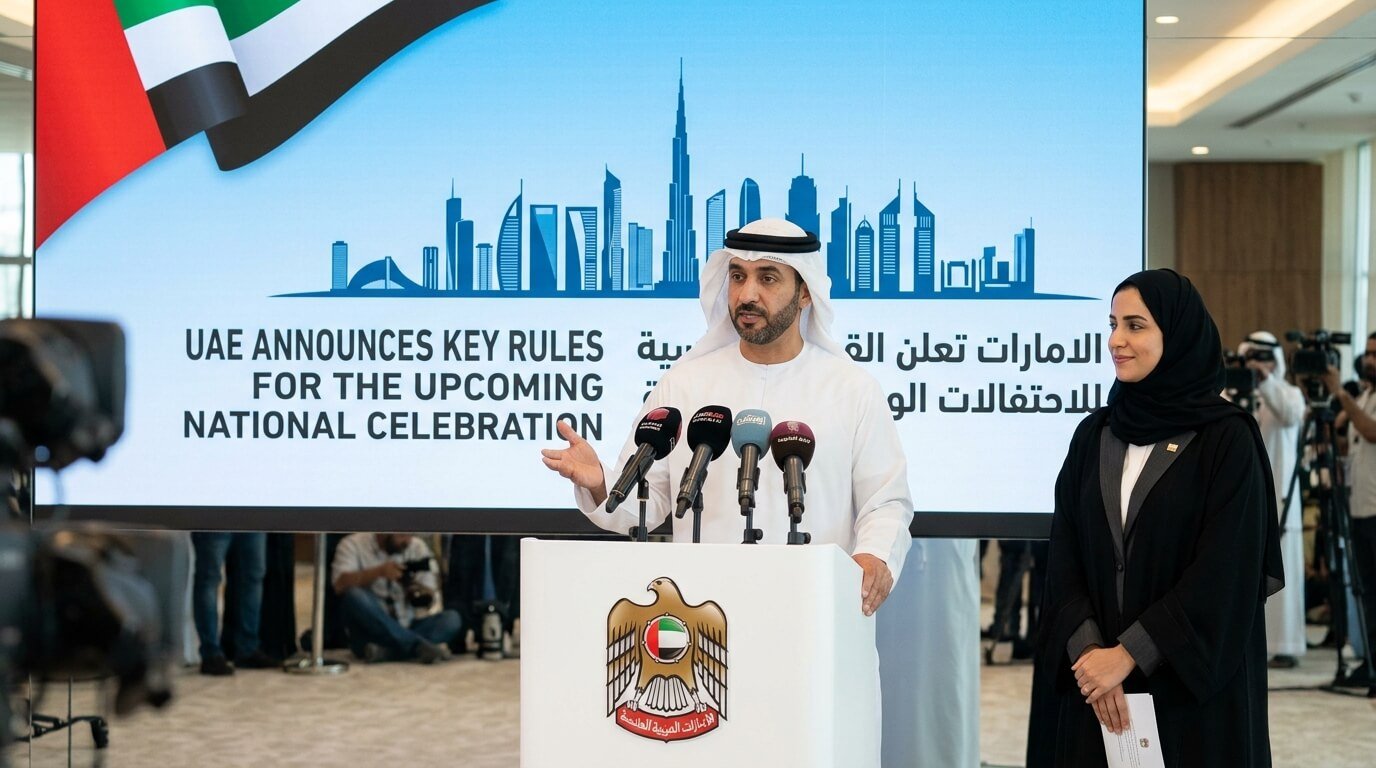
The UAE has reaffirmed its guidance for Hag Al Laila, one of the country’s most cherished cultural traditions, outlining the principles that should be followed during the annual celebration. The occasion, observed around two weeks before the start of Ramadan, is widely recognized as a time of generosity, community spirit, and family togetherness.
Ahead of this year’s festivities, the UAE Fatwa Council confirmed that celebrating Hag Al Laila is permissible, provided that the customs and activities remain consistent with the values and principles of Islamic Sharia.
What Is Hag Al Laila?
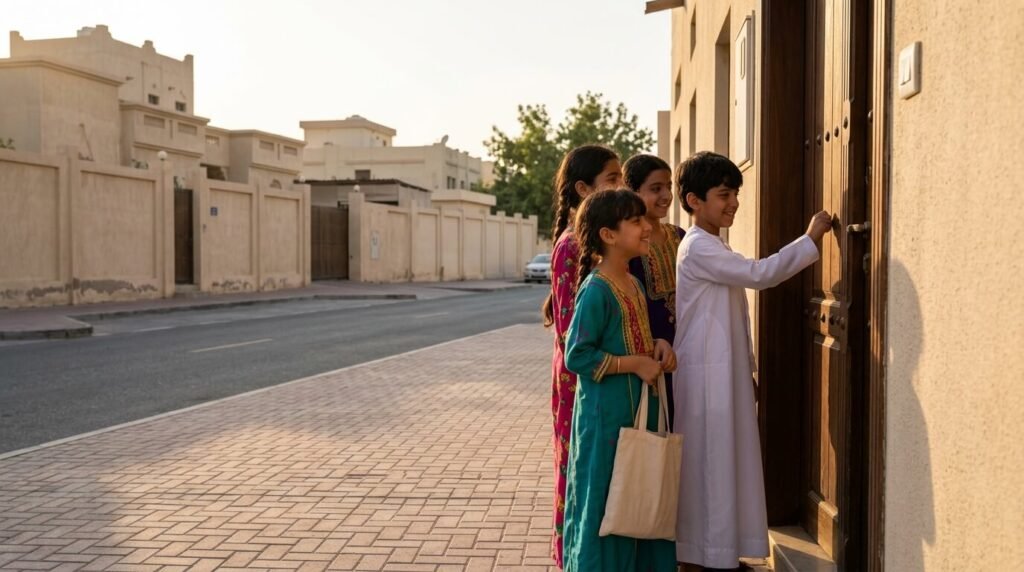
Hag Al Laila is a long-standing Emirati tradition celebrated on the 15th night of Sha’ban, the month preceding Ramadan. The occasion is especially popular with children, who dress in traditional clothing and visit homes throughout their neighborhoods to receive sweets, nuts, and small gifts from family members and neighbors.
The celebration reflects values of kindness, generosity, and social unity while creating joyful memories for children and strengthening relationships within local communities.
Across the UAE, schools, cultural institutions, shopping destinations, and family attractions often organize themed activities, performances, and workshops to mark the occasion.
Official Guidance from the UAE Fatwa Council
The UAE Fatwa Council has stated that Hag Al Laila celebrations are allowed because they form part of the country’s accepted customs and traditions and do not conflict with Islamic teachings.
According to the council, established social customs are generally considered permissible as long as they do not contradict the objectives or rules of Sharia. The celebration is viewed as an opportunity to spread happiness and reinforce positive social values.
The council also emphasized that exchanging gifts and sweets during Hag Al Laila is encouraged when the intention is to bring joy, particularly to children, relatives, friends, and neighbors.
A Celebration That Strengthens Communities
One of the key purposes of Hag Al Laila is to strengthen family ties and encourage community interaction. Children travel from house to house greeting neighbors, while families gather to prepare traditional treats and participate in local festivities.
Many communities decorate homes and organize activities that celebrate Emirati heritage, allowing younger generations to connect with customs that have been passed down for decades.
The tradition continues to play an important role in preserving national identity while promoting generosity and hospitality.
Worship and Cultural Traditions
The Fatwa Council also highlighted the spiritual significance of the middle night of Sha’ban, noting that many scholars have long regarded it as a recommended time for additional worship and reflection.
Those who choose to spend the evening in prayer or remembrance may do so in the hope of spiritual reward. At the same time, individuals who do not observe the occasion in this way are not considered at fault, and there should be no disagreement over personal choices regarding voluntary acts of worship.
This balanced approach reflects the council’s emphasis on unity, respect, and the preservation of beneficial cultural traditions.
Family-Friendly Celebrations Across the UAE
In addition to neighborhood gatherings, many popular attractions and cultural venues organize Hag Al Laila events featuring traditional performances, children’s entertainment, heritage activities, and sweet giveaways.
These celebrations provide families with an opportunity to experience Emirati culture in a welcoming environment while introducing younger generations to one of the nation’s most beloved customs.
Preserving a Cherished Tradition
As Ramadan approaches, Hag Al Laila continues to serve as a meaningful reminder of generosity, compassion, and community spirit. By encouraging gift-giving, neighborly connections, and family participation, the tradition reinforces values that remain central to Emirati culture.
With official guidance confirming that celebrations are permissible when conducted within the principles of Sharia, residents and visitors alike can enjoy the occasion while appreciating its cultural and spiritual significance.
For many families across the UAE, Hag Al Laila remains a joyful annual tradition that brings neighborhoods together and marks the beginning of the Ramadan season with kindness, sharing, and celebration.
FAQs
Hag Al Laila is a traditional Emirati celebration held on the 15th night of Sha’ban, about two weeks before Ramadan, focusing on generosity, community, and family values.
Yes. The UAE Fatwa Council has confirmed that celebrating Hag Al Laila is permissible as long as the customs and activities do not contradict the principles of Islamic Sharia.
Children typically wear traditional clothing and go door-to-door collecting sweets, nuts, and small gifts, while families and communities organize cultural events and festive activities.
Yes. Many family attractions, shopping destinations, schools, and cultural centers host special Hag Al Laila celebrations featuring entertainment, traditional performances, and activities for children.
Many Islamic scholars consider the middle night of Sha’ban a recommended time for voluntary worship and reflection, although those who choose not to observe it are not considered at fault.