
Ramadan is expected to begin in just over a month, and preparations are already underway across the UAE. From stocking up on essentials to planning the first iftar gathering with family and friends, many residents are getting ready for the holy month.
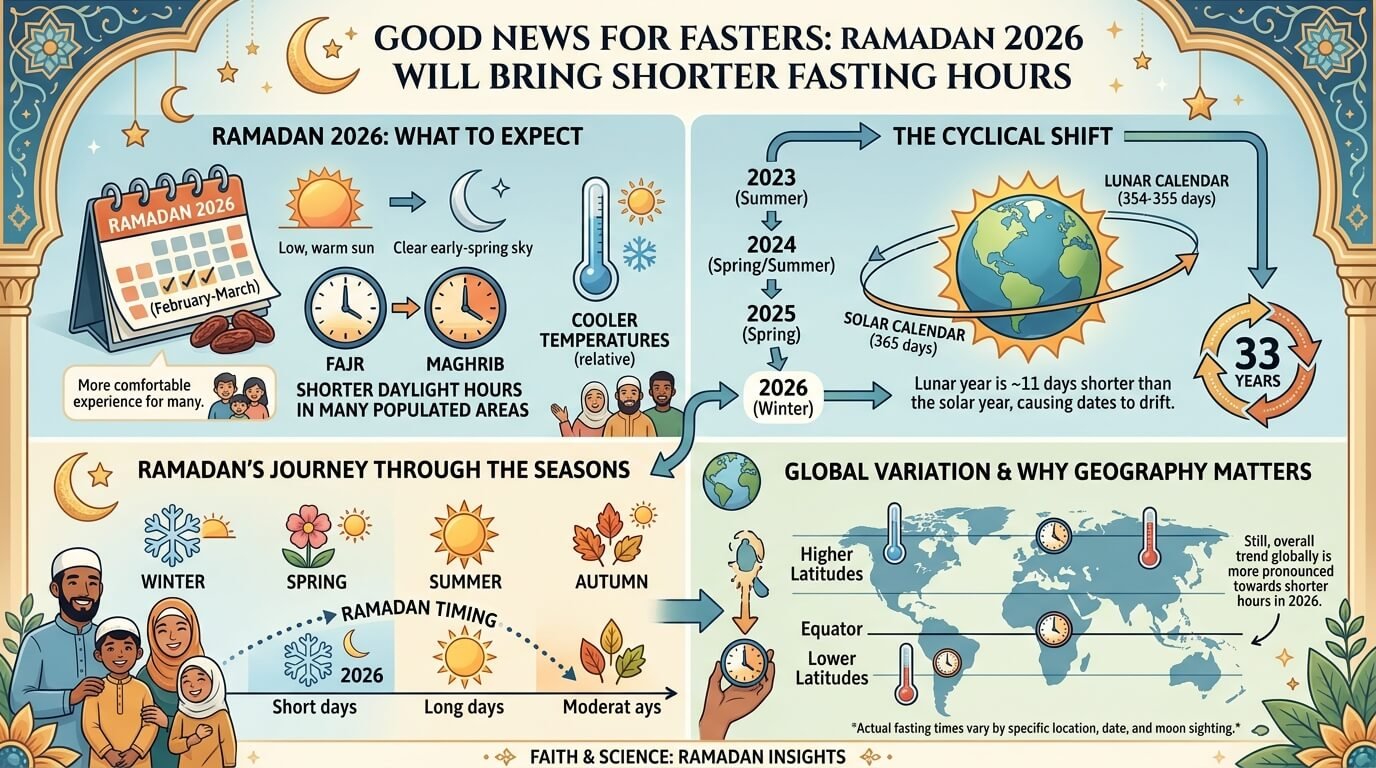
One important detail to note this year is that fasting hours during Ramadan 2026 are expected to be shorter compared to 2025. While this may sound surprising at first, the reason behind it is simple and rooted in the way the Islamic calendar works.
Why Ramadan fasting hours will be shorter this year
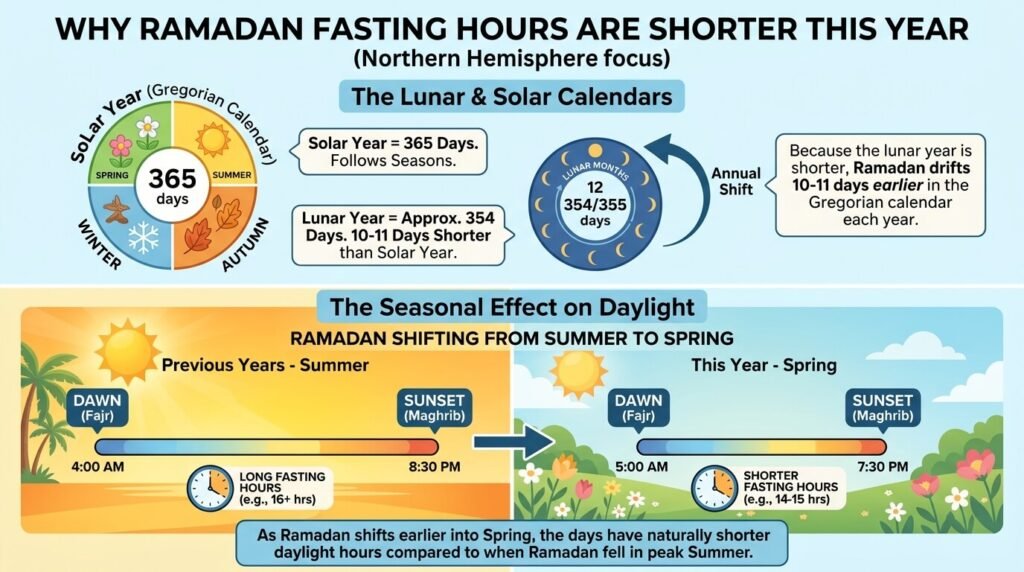
The key reason Ramadan fasting hours change every year is because the holy month follows the Islamic lunar calendar, also known as the Hijri calendar.
Unlike the Gregorian calendar, which is based on the Earth’s rotation around the sun and contains a fixed number of days, the lunar calendar is approximately 10 to 12 days shorter. This means Islamic months shift earlier each year when compared to the Gregorian calendar.
As a result, Ramadan moves backward by about 10 days annually, meaning it does not fall on the same season or date each year.
Ramadan moves through the seasons
Because the lunar calendar is shorter, Ramadan gradually shifts through different seasons over time. In some years, fasting takes place during the peak of summer when daylight hours are long and temperatures are high. In other years, it falls during cooler months with shorter days.
In 2026, Ramadan is expected to arrive earlier in the year than in 2025. This shift means that daylight hours will naturally be shorter, resulting in reduced fasting durations.
Expected start date for Ramadan 2026
According to current astronomical predictions, Ramadan 2026 is likely to begin on either Thursday, February 19, or Friday, February 20. However, the exact date will be confirmed based on the official moon sighting, as is traditional in Islamic practice.
The start of Ramadan is always determined by the sighting of the crescent moon, which can vary slightly depending on weather conditions and geographical location.
Why earlier Ramadan means shorter fasting hours
The length of fasting each day depends on the time between suhoor (pre-dawn meal) and iftar (sunset meal). These timings are directly linked to daylight hours.
Since Ramadan 2026 falls earlier in the year, it coincides with a period when days are still relatively short in many parts of the world, including the UAE. This naturally reduces the number of hours between sunrise and sunset.
In contrast, when Ramadan falls closer to the summer months, fasting hours can be significantly longer due to extended daylight.
Daily timings still to be confirmed
While it is confirmed that fasting hours will be shorter compared to the previous year, the exact daily timings of suhoor and iftar will still be announced during Ramadan.
These timings can vary slightly from day to day depending on the position of the sun, and official prayer calendars will be issued closer to the start of the holy month.
Residents are advised to follow local mosque announcements and official UAE prayer timetables for accurate daily fasting schedules.
What this means for residents in the UAE
For those living in Dubai and across the UAE, shorter fasting hours in 2026 may bring a slightly easier routine during the holy month. However, Ramadan remains a deeply spiritual time focused on reflection, discipline, prayer and community.
Many residents begin planning their schedules early, including working hours, school timings, and iftar gatherings. Restaurants across the city also prepare special Ramadan menus and offers during this period.
Ramadan traditions remain the same
Even though fasting hours may change slightly from year to year, the essence of Ramadan remains the same. The month continues to be a time of generosity, family gatherings, spiritual reflection and charitable giving.
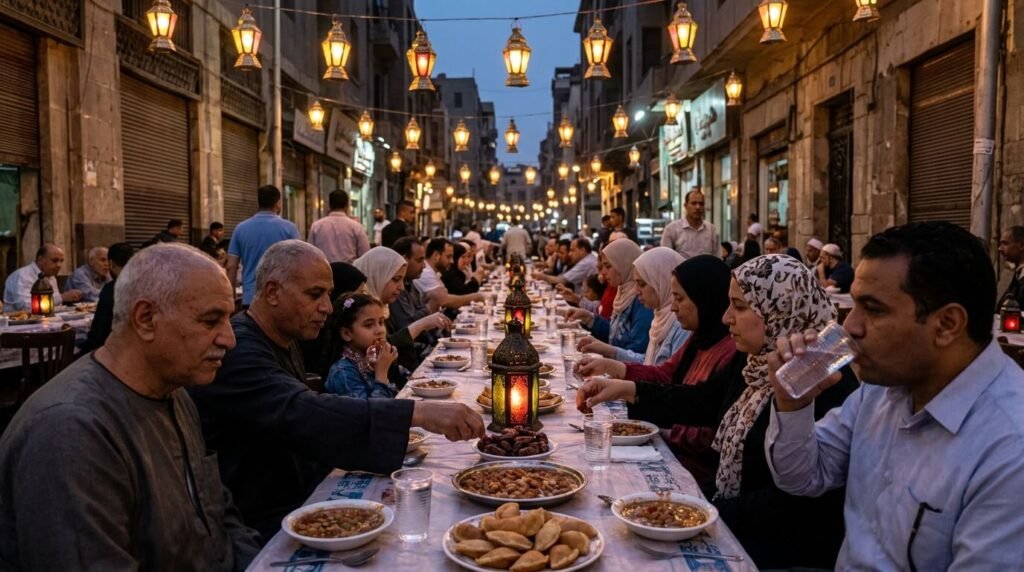
From mosque prayers to community iftars, the traditions that define Ramadan in the UAE remain an important part of daily life for residents and visitors alike.
Looking ahead to Ramadan 2026
As anticipation builds for Ramadan 2026, residents are encouraged to stay updated on official announcements regarding moon sighting and daily prayer timings.
Whether you are planning your first iftar or preparing for a month of fasting, Ramadan remains one of the most significant and meaningful times of the year.
With shorter fasting hours expected this year, many will find the daily routine slightly adjusted — but the spiritual importance of the month remains unchanged.
FAQs
Ramadan 2026 falls earlier in the Gregorian calendar, when daylight hours are naturally shorter in the UAE, leading to reduced fasting times.
Ramadan follows the Islamic lunar (Hijri) calendar, which is about 10–12 days shorter than the Gregorian calendar.
No, suhoor and iftar timings vary daily and will be confirmed each day during Ramadan.
No, Ramadan traditions remain the same, including fasting, prayers, charity, and community gatherings.
It is predicted to begin around Thursday, February 19, or Friday, February 20, depending on moon sighting.
Read More:
- UAE Petrol Prices for July 2026 Announced: Here’s What You’ll Pay
- 13 Fancy Dubai Restaurants to Visit When You’re Not Paying the Bill
- The Best Things to Do in Hatta for a Proper Adventure
- 8 Ways to Celebrate the Gorgeous Winter Season in Dubai
- You Can Now Book Tickets to Watch the BTS World Tour Live in Dubai (But There’s a Twist)